- Serving in Canada
- faisal@brightmetals.ca
Railroad scrap consists of steel rails, ties, and other components recovered from decommissioned or replaced railway tracks. This high-density ferrous material provides reliable feedstock for steel production and recycling operations. Bright Metals supplies railroad scrap that meets mill specifications, ensuring predictable melting, uniform composition, and operational efficiency for industrial clients.
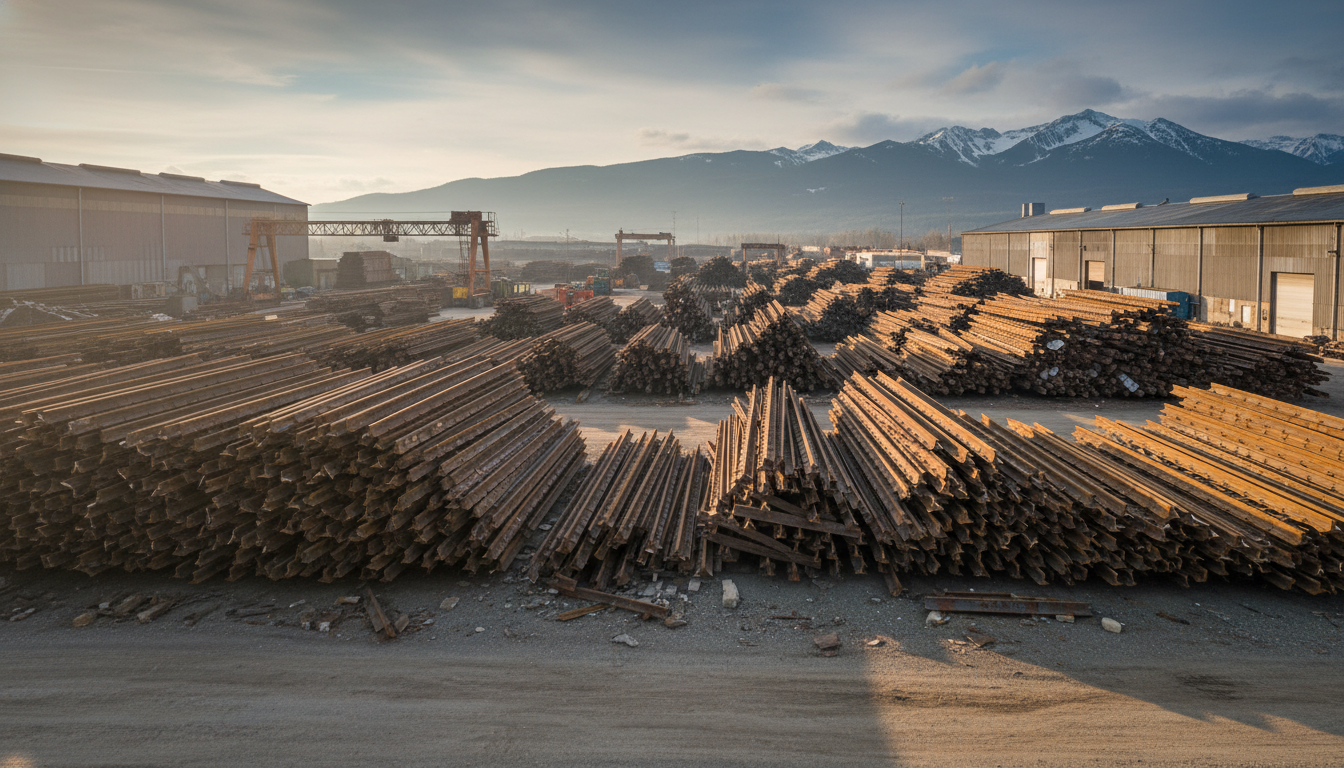
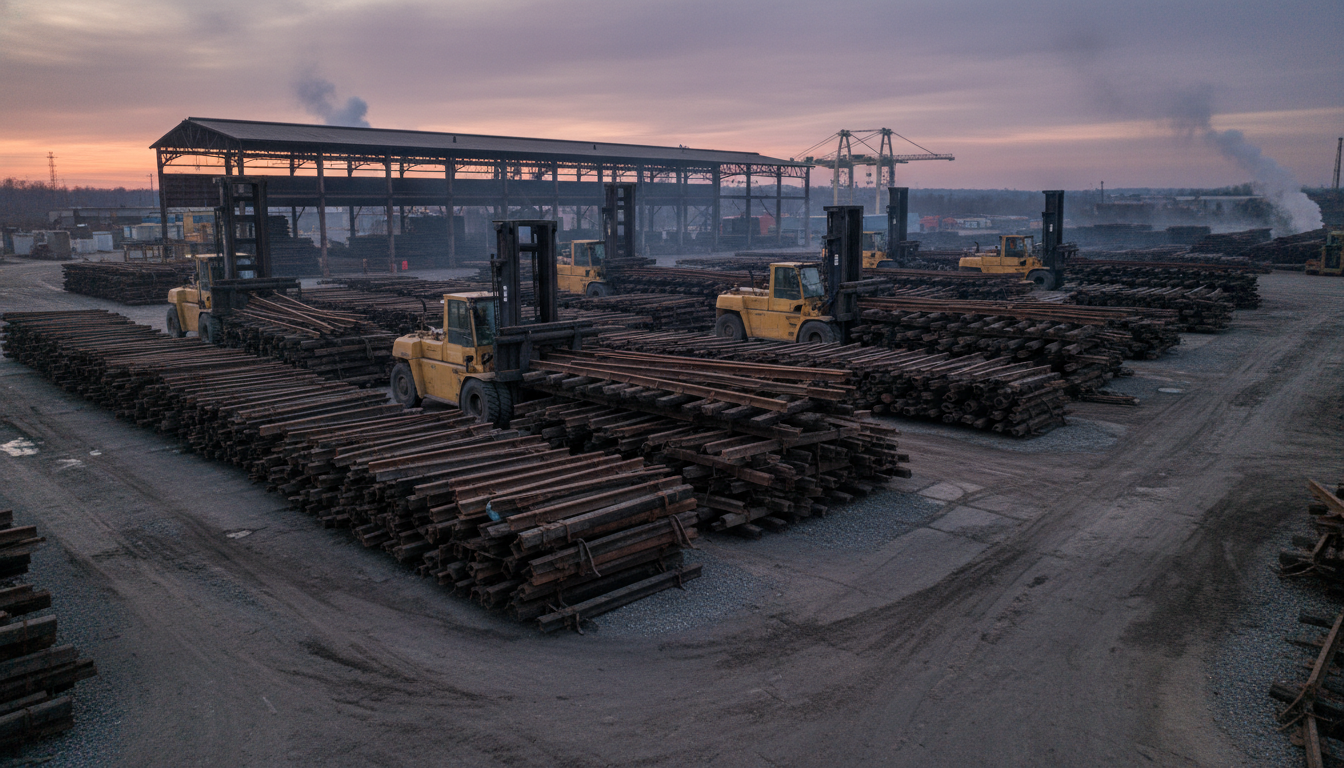
Bright Metals sources railroad scrap from controlled railway decommissioning and industrial operations. Each piece is inspected, cut to manageable sizes, and processed to maintain quality and compliance with mill requirements. Our supply programs prioritize consistency, traceability, and safe handling.
Railroad scrap is ideal for steelmaking processes that require dense, uniform ferrous inputs. Proper preparation ensures efficient furnace operation, predictable melting, and safe handling.

Railroad scrap has uniform density and steel composition, supporting predictable furnace performance and high-yield melting.
Cut-to-size pieces allow for smooth furnace loading, improving melting efficiency and reducing cycle times.
Recycling steel rails and components helps mills maximize yield and reduce waste.
Railroad scrap is processed and stacked to reduce hazards during transport, storage, and furnace charging.
Railroad scrap requires careful processing for mill suitability. Below are answers to the most common questions about this product.
Railroad scrap includes steel rails, ties, and other structural steel components removed from decommissioned railway tracks.
Yes, properly prepared railroad scrap meets mill specifications and can be charged directly into furnaces.
Yes, Bright Metals supports scheduled deliveries and large-volume supply programs for industrial clients.
Partner with Bright Metals to bring efficiency, quality, and sustainability to your operations.